Overview
Makkah is the birthplace of the Prophet Muhammad and the site of the Kaaba, which is the most sacred structure in Islam. Muslims around the world face the Kaaba during their daily prayers (Salah). The Hajj pilgrimage, which is one of the Five Pillars of Islam, requires every able-bodied Muslim to visit Makkah at least once in their lifetime if possible.Sights


Map
Info
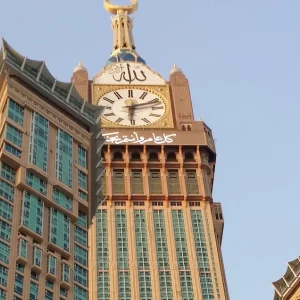
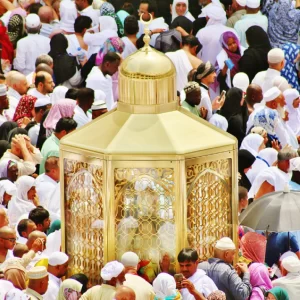
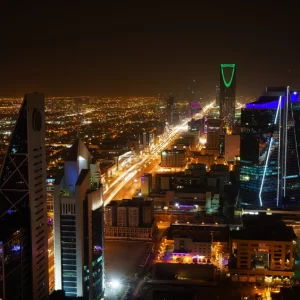
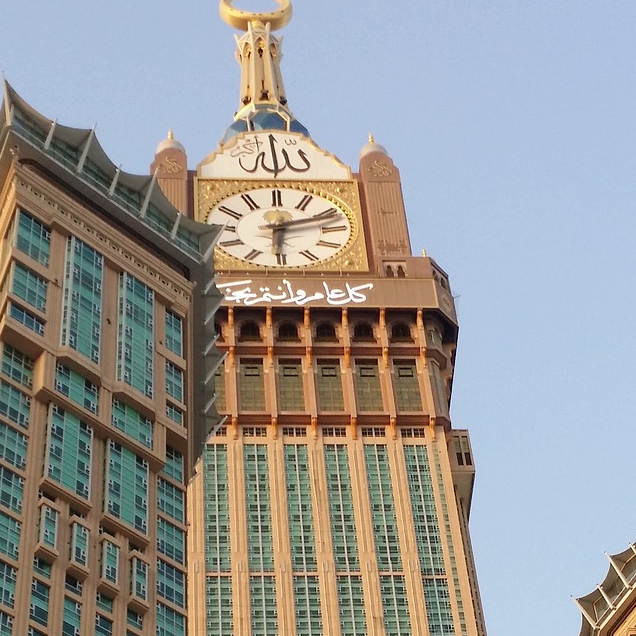
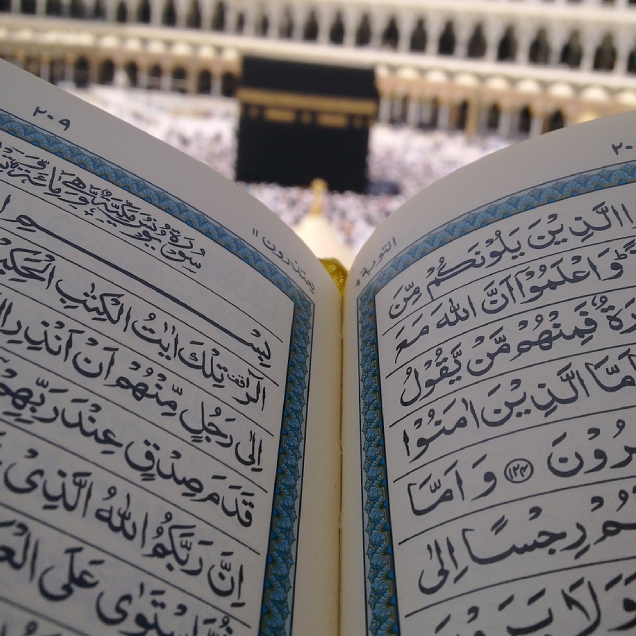
Makkah, also spelled as Mecca, is a city in the Hejaz region of Saudi Arabia. It holds immense religious significance for Muslims around the world, as it is the holiest city in Islam. Here are some key points about Makkah: Religious Significance: Makkah is the birthplace of the Prophet Muhammad and the site of the Kaaba, which is the most sacred structure in Islam. Muslims around the world face the Kaaba during their daily prayers (Salah). The Hajj pilgrimage, which is one of the Five Pillars of Islam, requires every able-bodied Muslim to visit Makkah at least once in their lifetime if possible. The Kaaba: The Kaaba is a cubic building located within the Masjid al-Haram (the Grand Mosque) in Makkah. It is believed to have been built by the Prophet Ibrahim (Abraham) and his son Isma'il (Ishmael) as a house of worship for one God. The Kaaba is covered with a black silk and gold curtain known as the Kiswa, which is replaced annually. Hajj: The annual Hajj pilgrimage is a mandatory religious duty for Muslims who are physically and financially capable of undertaking the journey. It takes place during the Islamic month of Dhul-Hijjah and involves a series of rituals, including circumambulating the Kaaba, standing on the plains of Arafat, and performing symbolic acts commemorating events in Islamic history. Umrah: While not mandatory, the Umrah pilgrimage is a recommended and spiritually rewarding journey that Muslims can undertake at any time of the year. It involves performing certain rituals, including Tawaf (circumambulation of the Kaaba) and Sa'i (walking between the hills of Safa and Marwah). Masjid al-Haram: The Grand Mosque in Makkah, known as Masjid al-Haram, is the largest mosque in the world and surrounds the Kaaba. It can accommodate millions of worshippers during peak times. The mosque has undergone numerous expansions and renovations throughout history to accommodate the growing number of pilgrims. Economic and Cultural Significance: Makkah's economy is heavily reliant on religious tourism, given its central role in Islamic pilgrimage. As a result, the city is equipped with a wide range of facilities to cater to the needs of pilgrims, including hotels, restaurants, and transportation services. Makkah also hosts various cultural and educational events related to Islam. Modern Development: In recent decades, Makkah has undergone significant modernization and urban development, including the construction of high-rise buildings, hotels, and infrastructure to support the millions of pilgrims who visit the city each year. Entry Restrictions: Access to Makkah is restricted to Muslims due to its religious significance. Non-Muslims are generally not allowed to enter the city. Makkah's significance extends beyond its religious importance, as it serves as a focal point for Muslims' spiritual connection and unity. It remains a deeply cherished destination for millions of Muslims worldwide who seek to fulfill their religious duties and strengthen their faith.