
Overview
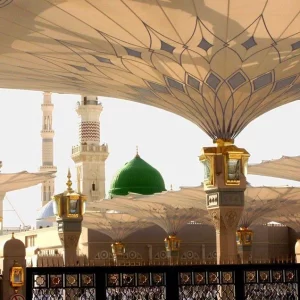
Madina is the second holiest city in Islam after Mecca. It is the city where the Prophet Muhammad migrated to after facing persecution in Mecca, and it was in Madina that the first Islamic community, known as the ummah, was established. The Prophet's Mosque (Masjid al-Nabawi) is located in Madina and is a place of great reverence and worship for Muslims worldwide. The mosque contains the Prophet's tomb, making it a place of pilgrimage and devotion.Sights
Map
Info
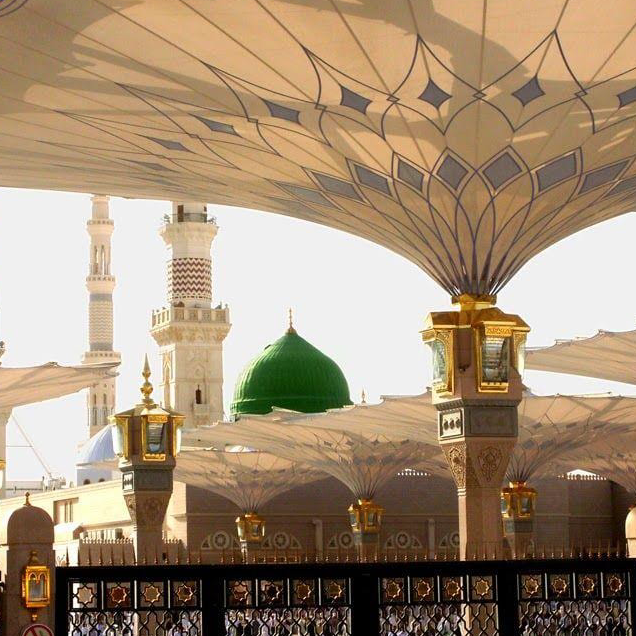
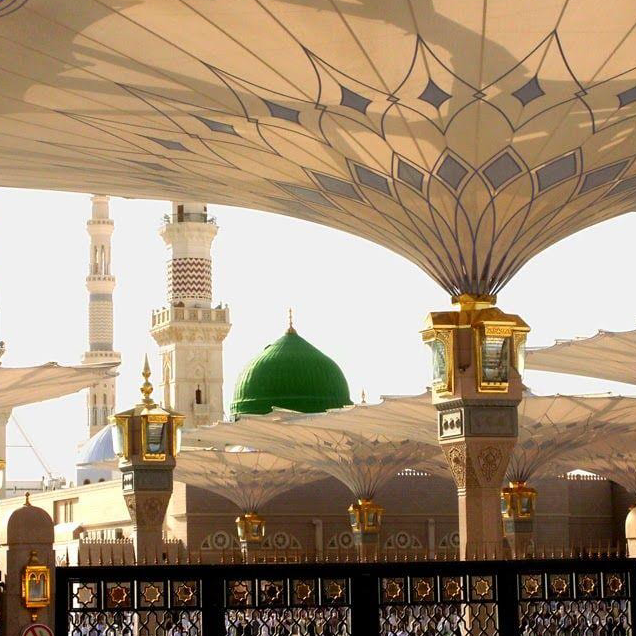
Madina, also known as Medina, is one of the most significant cities in Saudi Arabia and holds immense importance in the Islamic world. Here is an overview of Madina: 1. Spiritual Significance: Madina is the second holiest city in Islam after Mecca. It is the city where the Prophet Muhammad migrated to after facing persecution in Mecca, and it was in Madina that the first Islamic community, known as the ummah, was established. The Prophet's Mosque (Masjid al-Nabawi) is located in Madina and is a place of great reverence and worship for Muslims worldwide. The mosque contains the Prophet's tomb, making it a place of pilgrimage and devotion. 2. The Prophet's Mosque (Masjid al-Nabawi): The Prophet's Mosque is one of the largest mosques in the world and a focal point for Muslims during their visit to Madina. It is a place of prayer, reflection, and remembrance. The mosque's architecture is a blend of historical and modern elements, and its inner courtyard features the famous green dome marking the location of the Prophet Muhammad's tomb. 3. Raudah Sharif: Located within the Prophet's Mosque, the Raudah Sharif is an area believed to be a blessed garden from paradise. It is highly recommended for Muslims to pray and offer supplications here, as it is considered a place where prayers are more likely to be answered. 4. Historic Sites: Madina is rich in history and hosts several significant historical sites related to the life of the Prophet Muhammad and the early Islamic community. Some of these sites include the Quba Mosque, where the Prophet Muhammad first prayed upon his arrival in Madina, and the Qiblatain Mosque, where the Qibla (direction of prayer) was changed from Jerusalem to Mecca. 5. Educational Centers: Madina is known for its religious and educational institutions that provide Islamic teachings and scholarship. It has played a crucial role in the preservation and dissemination of Islamic knowledge. 6. Culture and Atmosphere: Madina has a peaceful and reverential atmosphere due to its religious significance. Visitors often experience a sense of spiritual tranquility when exploring the city and engaging in acts of worship and reflection. 7. Pilgrimage: While the Hajj pilgrimage takes place in Mecca, visiting Madina is often part of a broader spiritual journey for Muslims performing Umrah. Pilgrims often include a visit to the Prophet's Mosque and other historical sites in Madina during their trip. 8. Accessibility: Madina is well-connected through air and road transportation, making it accessible for pilgrims and tourists alike. 9. Etiquette and Respect: When visiting Madina, it's important to observe local customs and Islamic etiquette, such as dressing modestly, showing respect at religious sites, and following the guidelines set by the authorities. Overall, Madina is a city deeply woven into the fabric of Islamic history and faith, drawing millions of pilgrims and visitors every year to experience its spiritual aura and rich cultural heritage.